Shifting That Happens Smoothly Every Time
Transmission Repair in Bossier City for vehicles slipping between gears, delaying shifts, or showing transmission warning lights
Specific regional conditions affect how quickly transmission problems develop—stop-and-go traffic in Bossier City generates more heat in the transmission fluid than steady highway driving, and heat breaks down the fluid's ability to maintain hydraulic pressure and lubricate internal components. When your transmission slips out of gear during acceleration, delays engagement when shifting from park to drive, or produces grinding sounds during gear changes, internal wear or fluid degradation has progressed to the point where normal operation is compromised. Redemption Auto Repair diagnoses shifting issues, slipping, and transmission failure across automatic and manual systems, restoring the smooth operation that's critical for vehicle drivability and longevity.
Transmission repair starts with scanning for fault codes and checking fluid condition, followed by pressure testing the hydraulic circuits that control shift timing and clutch engagement. Slipping usually indicates worn clutch packs or bands that no longer hold under load, while delayed shifts point to solenoid failures or low line pressure. The diagnostic process separates electronic control issues from mechanical wear, which determines whether the repair involves replacing sensors and solenoids or rebuilding internal hard parts.
Request a transmission evaluation when shifting behavior changes or when you notice performance loss during acceleration.
Why Transmission Problems Require Early Attention
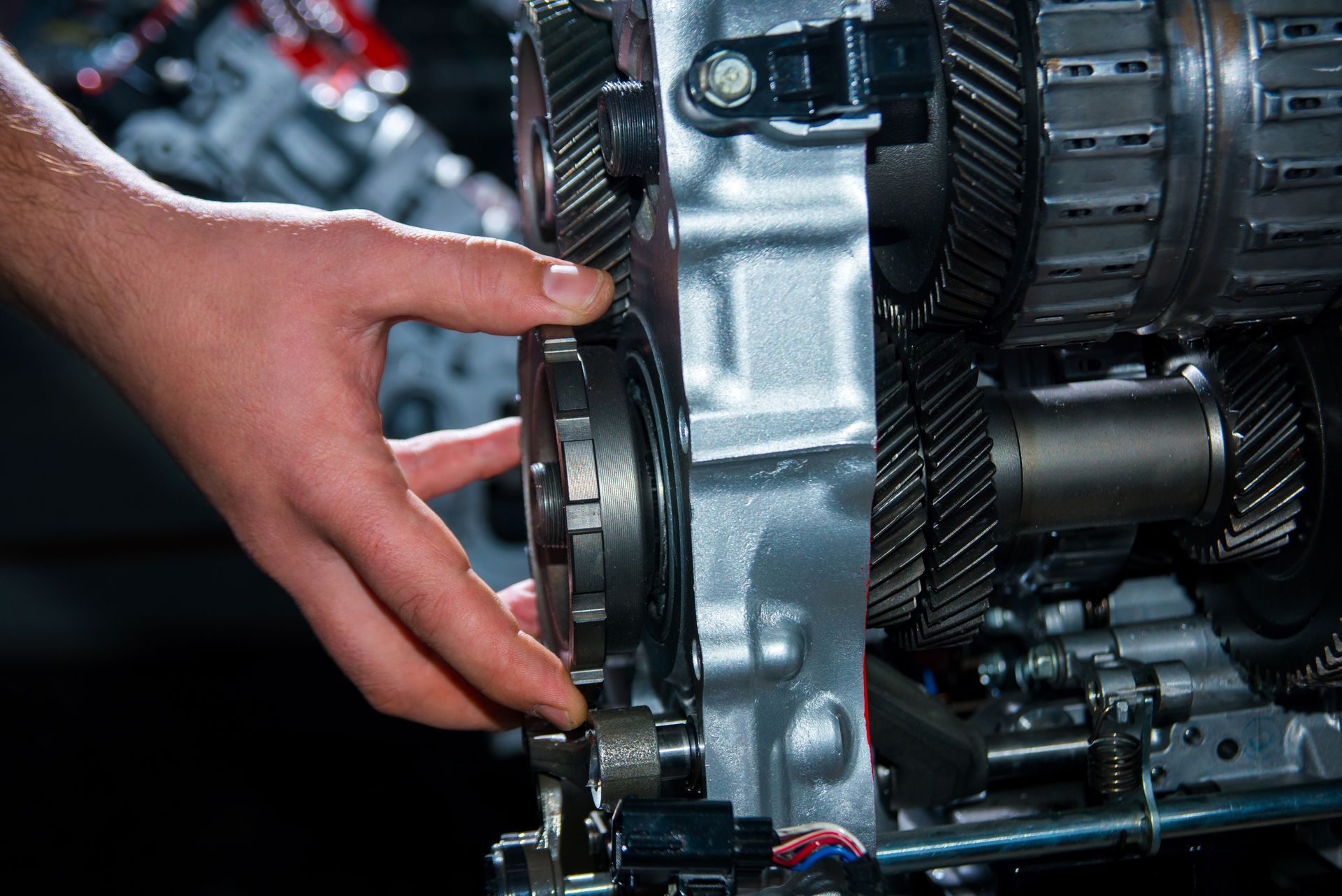
Once transmission repair is complete, gear changes happen at the correct engine speed without flaring or slipping, and the vehicle responds immediately when you accelerate from a stop. Shift quality becomes consistent—no harsh engagement, no delay between pressing the accelerator and feeling the transmission respond, and no sense that the engine is revving without the vehicle moving. Proper hydraulic pressure ensures that clutches engage fully and hold without slipping under load, which protects internal components from the excessive heat that causes rapid wear.
Transmission repair is available for multiple vehicle types including European models and diesel trucks, with service tailored to the specific transmission design. European transmissions often use dual-clutch or continuously variable designs that require different diagnostic procedures and specialized scan tools compared to traditional automatic transmissions. Diesel trucks with heavy-duty transmissions need higher fluid capacities and reinforced internal components to handle increased torque, so repair procedures account for these differences.
Early inspection avoids full transmission replacement by catching problems while they're still isolated to specific components—a failing solenoid or worn clutch pack can be addressed before the damage spreads to other internal parts. Waiting until the transmission won't move the vehicle usually means extensive internal damage has occurred, turning a targeted repair into a complete rebuild or replacement.
What Drivers Ask About Transmission Issues
Questions about transmission problems often come up when drivers notice changes in how the vehicle accelerates or when warning lights appear on the dashboard.
What does transmission slipping feel like?
Slipping feels like the engine revs higher without a corresponding increase in vehicle speed, or like the transmission briefly disengages and then re-engages during acceleration. You might notice the tachometer jumping while your speed stays constant, which means the clutches inside the transmission aren't holding under load.
How do you tell the difference between transmission problems and engine problems?
Transmission problems affect gear engagement and shift quality but the engine itself runs smoothly, while engine problems cause rough idle, misfires, or power loss that you feel even when the transmission isn't shifting. If the issue only happens during gear changes or acceleration, the transmission is usually the source.
Why does transmission fluid condition matter for diagnosing failures?
Transmission fluid that's dark, smells burnt, or contains metallic particles indicates internal wear and overheating. Fresh fluid is translucent red or amber, and any discoloration or debris shows that clutches or bands are deteriorating and shedding material into the fluid, which accelerates wear on other components.
When should you service a transmission before problems develop?
Automatic transmissions benefit from fluid changes every 40,000 to 60,000 miles depending on driving conditions, because heat and friction gradually break down the fluid's additives. Preventive service replaces degraded fluid before it loses the ability to maintain pressure and lubricate moving parts, which extends transmission life significantly.
What causes a transmission to fail suddenly versus gradually?
Sudden failure usually comes from a broken hard part like a snapped input shaft or shattered planetary gear, while gradual failure results from worn clutches or seals that slowly lose their ability to hold pressure. Gradual failures give warning signs like delayed engagement or slight slipping, while sudden failures often happen without prior symptoms.
Redemption Auto Repair diagnoses transmission issues with pressure testing and fluid analysis that reveal the extent of internal wear and identify which components have failed. Schedule an inspection when you notice any change in shift quality, response time, or transmission behavior to address problems before they require full replacement.