Diagnosing What's Actually Failing Inside the Engine
Engine Repair in Bossier City for vehicles showing misfires, power loss, or internal noise that signals mechanical damage
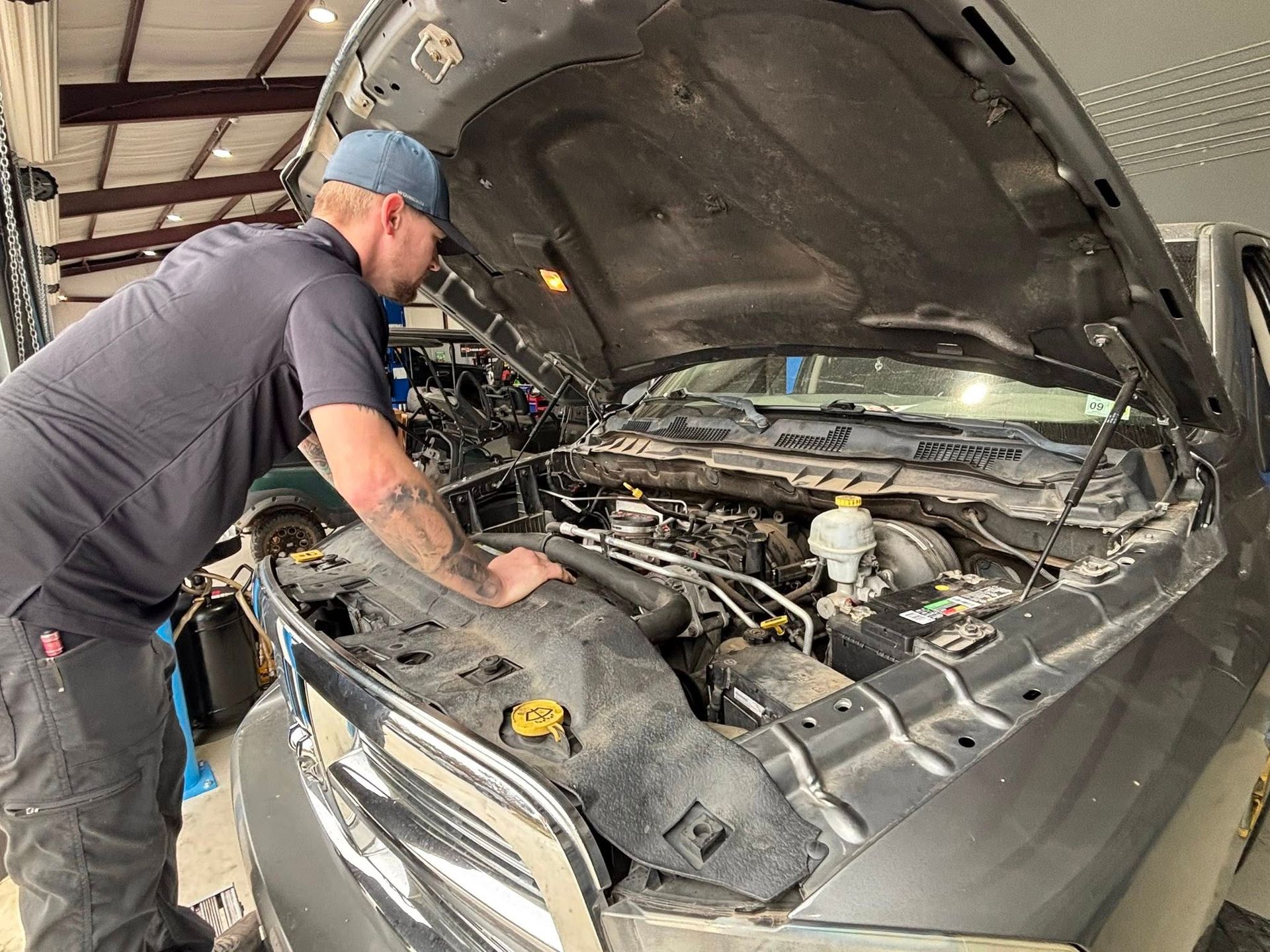
When your engine misfires under load, loses power during acceleration, or produces knocking that wasn't there before, the issue often involves ignition timing, fuel delivery, or internal wear that's progressed past the maintenance stage. Redemption Auto Repair runs full engine diagnostics in Bossier City to separate sensor faults from mechanical failures, using compression testing, cylinder leak-down analysis, and scope readings that show what's happening inside each cylinder. Accurate diagnosis matters because treating a misfire with new spark plugs when the real problem is a burnt valve wastes time and leaves the root cause untouched.
Engine repair starts with isolating which system is failing—ignition, fuel, compression, or timing—and then identifying the specific component. A misfire can trace back to a failed coil pack, a clogged injector, low compression from worn piston rings, or a jumped timing chain. The diagnostic process uses live data and physical testing to confirm the failure point before any parts are replaced.
Request a diagnostic evaluation when your engine shows symptoms that affect drivability or produce new sounds.
How Proper Repair Restores Long-Term Reliability
Engine repair addresses the mechanical or electronic cause rather than masking symptoms with additives or temporary adjustments. When the work is complete, the engine idles smoothly without fluctuation, accelerates without hesitation or stumbling, and operates quietly without knocking or rattling under load. Compression readings return to specification across all cylinders, and fuel trims stabilize within normal range, which shows the engine is burning fuel efficiently again.
Redemption Auto Repair works on gas, diesel, hybrid, and European engines, adjusting the diagnostic approach based on whether the engine uses direct injection, turbocharging, variable valve timing, or hybrid electric assist. European engines often require specific scan tools to access manufacturer-level fault codes that generic readers miss, and diesel engines need different compression standards and glow plug testing that don't apply to gasoline engines.
Engine repair prevents repeat breakdowns by identifying why the failure happened in the first place—whether it's an oiling issue, a cooling problem, a failed emissions component, or worn internal parts that reached the end of their service life. Addressing the root cause stops the pattern where the same symptom returns weeks after a surface-level fix.
Common Engine Repair Questions
Vehicle owners often ask about engine issues when performance changes suddenly or when warning lights appear alongside drivability problems.
What does a misfire feel like while driving?
A misfire creates a stumbling sensation during acceleration, a rough idle that shakes the cabin, or a brief loss of power when you press the accelerator. You might also notice the check engine light flashing, which indicates a severe misfire that can damage the catalytic converter if you keep driving.
Why does compression testing matter for diagnosing engine problems?
Compression testing measures how much pressure each cylinder generates during the compression stroke, which reveals whether the piston rings, valves, or head gasket are sealing properly. Low compression in one cylinder points to a mechanical issue that can't be fixed with ignition or fuel system repairs.
How do you tell the difference between engine noise and exhaust noise?
Engine noise comes from inside the block or cylinder head and changes with RPM even when the vehicle isn't moving, while exhaust noise comes from under the vehicle and often gets louder under acceleration. Mechanics use a stethoscope to isolate where knocking or ticking originates before diagnosing the cause.
When should you repair an engine instead of replacing it?
Repair makes sense when the block and cylinder head are structurally sound and the failure is isolated to specific components like valves, gaskets, or timing components. Replacement becomes necessary when internal wear is widespread or when core damage like a cracked block has occurred.
What prevents engine problems from returning after repair in Bossier City?
Proper repair includes confirming that supporting systems—cooling, oiling, and fuel delivery—are functioning correctly, so the repaired components don't fail again from the same underlying cause. Testing these systems before completing the repair catches issues like a weak oil pump or restricted coolant flow that would cause premature failure.
Engine diagnostics at Redemption Auto Repair focus on identifying the specific failure rather than guessing based on symptoms. Arrange an inspection at the first sign of performance loss, unusual sounds, or warning light activation.